
Explainer
Chemical vs Mineral Sunscreen: What's the Real Difference?
How each type actually works, why neither is objectively "better," and where the reef-safety rules genuinely apply.
Post ID: BP8
Chemical vs mineral sunscreen, explained plainly: how each works, the real tradeoffs, and what current reef-safety bans actually cover.
Key Takeaways
Chemical and mineral sunscreens use different UV-filtering mechanisms that offer distinct cosmetic and sensitivity tradeoffs rather than a clear medical winner. Choosing between them ultimately depends on your skin type, texture preferences, and makeup routine, though consistent daily application of broad-spectrum SPF 30+ matters far more than the formula type.

How Chemical Sunscreen Works
Head down the sunscreen aisle and you will find the same division lurking everywhere: you've got 'chemical formula', 'mineral formula' alongside boisterous marketing puffery saying one or the other is foolhardy. The chemical versus mineral sunscreens spat is more like a contest than a false dichotomy. It isn't one; it's two quite different filter mechanisms with specific matching disadvantages, and the choice depends on your priorities. This guide breaks down the chemical vs mineral sunscreen debate so you can decide which fits your routine.
All chemical sunscreens have active ingredients of organic UV filters, all of which you might notice on a U.S. label: avobenzone, octinoxate, octocrylene, oxybenzone, and homosalate. These absorb UV rays and change them into a small amount of heat that is then released by the skin. Since it takes some time for this absorption of UV light to occur, chemical sunscreen generally takes approximately 15 to 20 minutes before providing full protection.
Aside from the efficacy, what really made this category so desirable for daily use was the texture. Chemical filters can be created in light, flowing textures that adhere easily and essentially without film. This is a primary reason they are present in so many facial sunscreens & SPF moisturizers.
Mineral sunscreens are made of zinc oxide, titanium dioxide, or a combination of the two. On top of that, the mineral filters are often known as physical sunscreens, because they sit on the skin and reflect UV radiation back into space like microscopic mirrors. That's not true. Mineral filters work by scattering, reflecting, and absorbing radiation at the level of the individual particles, not only reflecting radiation.
The end result is identical (instantaneous broad-spectrum protection), but it is good to know the official line of "just a mirror" is an oversimplification. The tradeoff most people notice is cosmetic. Traditional mineral formulas tended to produce a white or gray cast, mainly on darker skin tones, though tinted and micronized formulas have helped close that distance a lot. Mineral filters are also widely loved for sensitive or reactive skin as there is less potential for the irritation some people get from certain chemical filters.
The Practical Tradeoffs
Arguably, a more helpful characterization than "which is safer" would be "which tradeoffs work for the way you use sunscreen". Chemical sunscreen makes more sense if you want an invisible, lightweight finish; if you wear make-up every day and want something that can be easily applied underneath; if you've tried mineral formulas and haven't liked the consistency.
Mineral sunscreen makes more sense if you have sensitive skin; if you don't mind a slightly heavier finish; or if you're going anywhere that doesn't allow certain chemical filters.
This list is not definitive. I was once on the other side of the chemical/sensitive skin issue, and I know several people with normal skin who are comfortable with chemical sunscreens. Consumer preferences should not be confused with fact-based recommendations.
The chemical-vs-mineral label is just one criterion of sunscreen choice, and arguably not even the most significant one. The American Academy of Dermatology advises a water-resistant, broad-spectrum product with SPF 30+ no matter what the filter options are. Mineral sunscreen with poor broad-spectrum properties isn't a sounder pick over a quality chemical sunscreen, and vice versa.
Reapplication is important here as well. Many people underapply their sunscreens and forget to reapply after sweating or swimming. This has a much larger impact on real-life protection than a user's choice of filter category.
Examination of the Label, not of the Advertisements
The best way to be sure about what you're getting is the Active Ingredients label on the bottle, which should list everything present other than the main invention.
Mineral sunscreens should list zinc oxide and/or titanium dioxide as the sole actives; if there's anything else (alone or combined with those two), then it's chemical or hybrid.
This distinction is going to be most important when you're hoping to steer clear of an ingredient, whether the reason is sensitivity or a destination's sunscreen regulations.
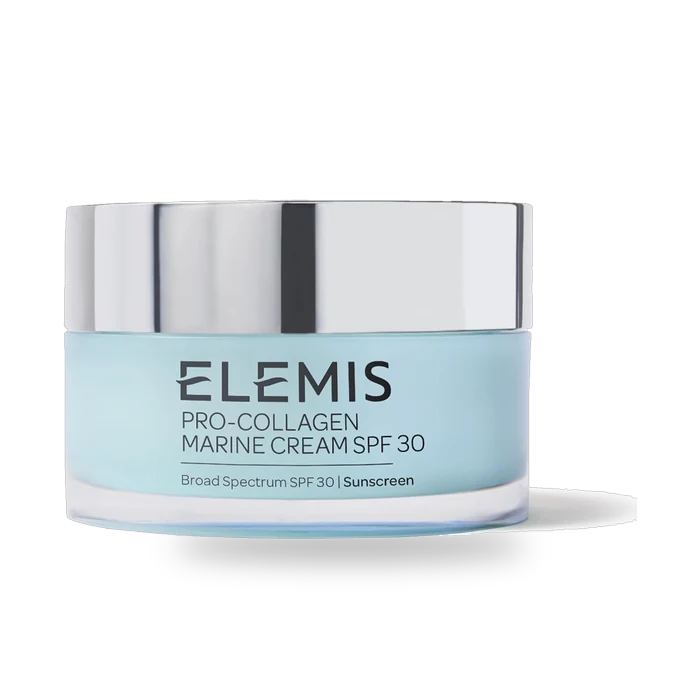
We do the same thing here in our own reviews of DetroPick. The ELEMIS Pro-Collagen Marine Cream SPF 30 has on its label the listed avobenzone, octinoxate, and octocrylene as its active filters, a chemical makeup, no matter what else is done to the box. And that kind of information is far more valuable to us than to have to speculate on a jar all day.
Chemical filters and coral reef damage
Oxybenzone and octinoxate, two specific chemical filters, have been the subject of a research study linking damage to coral reefs. In 2021, Hawaii prohibited the sale of sunscreens containing either, and Maui County, in 2022, took it up another notch - they limited the selling only to mineral formulas, being the strictest of this style of regulation in the nation. A few other places of the coastline have also decided to go with them for prohibiting these two chemicals.
Sometimes being very specific is better than making broad statements like "chemical sunscreen is bad for reefs." These restrictions target two specific ingredients, not the whole chemical group. Also, a sunscreen containing avobenzone or octocrylene as the active would not necessarily be caught by the regulations. And, "reef-safe" has still not been given a single universal legal definition. If a destination has sunscreen restrictions, checking the specific ingredients against that destination's actual rule should supersede trusting a marketing label.
To wrap up
Chemical sunscreen and mineral sunscreen are not a pair of good vs bad - they are two different methods, each with its own genuine trade-offs in texture, sensitivity, and, in a few particular places, legality. Your sunscreen choice should depend on SPF factor and the type of sunscreen (broad/medium protection). And a sunscreen that you will put on regularly, at the right dosage, is better than a theoretically ideal one that goes unused because of the feel.
FAQs
How to determine if a sunscreen is chemical or mineral?
The safest way to determine which type of sunscreen you are getting is by looking at the "Active Ingredients" section on the package. A mineral-based sunscreen is usually the case only when the sunscreen carries both zinc oxide and titanium dioxide as active ingredients. Otherwise, you may think of it as either chemical or a combination product.
Is mineral sunscreen just a cover over the skin that protects it from the sun physically?
Well, it is an over-simplified version. The common idea is that mineral sunscreen particles act like tiny mirrors in your skin that just bounce UV light away from your skin. Actually, they work by scattering, reflecting, and absorbing UV radiation through the microscopic layer of the filters.
Must I wait to sun myself after applying sunscreen?
Solar protection from chemical sunscreens usually starts about 15 to 20 minutes after the product is applied. The mineral sunscreen works as soon as it is on the skin.
Is chemical sunscreen really harmful to marine life such as coral reefs?
Not really! Environmental problems related with sunscreen chemicals mainly focus on two UV absorbers, viz. oxybenzone and octinoxate. Most destinations implementing bans only prohibit these two and not all chemical sunscreens.
Is mineral sunscreen definitely better for sensitive skin?
Sensitive and reactive skin is not the only skin type that mineral filters are good for. They are often preferred because they are less irritating to skin since most people are sensitized to certain ingredients found in chemical filters, though this does not rule out a case where individuals with sensitive skin could be fine with chemical sunscreens.
Frequently Asked Questions
What is the main difference between how chemical and mineral sunscreens work?
Chemical sunscreens contain organic UV filters that absorb UV rays and convert them into a small amount of heat that is released by the skin. Mineral sunscreens, which use zinc oxide and/or titanium dioxide, work by scattering, reflecting, and absorbing radiation at the particle level.
Why does chemical sunscreen often require a wait time after application?
Chemical sunscreen takes approximately 15 to 20 minutes to absorb into the skin before it can provide full protection, whereas mineral sunscreens provide instantaneous protection.
Which type of sunscreen is recommended for sensitive skin?
Mineral sunscreens are widely favored for sensitive or reactive skin because there is less potential for the irritation that some people experience from certain chemical filters.
Are all chemical sunscreens restricted by environmental regulations in places like Hawaii?
No, regulations typically target specific ingredients like oxybenzone and octinoxate rather than the entire chemical sunscreen category. Other chemical filters, such as avobenzone or octocrylene, may not be subject to the same bans.
How can I tell if a product is a mineral sunscreen?
Check the 'Active Ingredients' label on the packaging. A mineral sunscreen will list zinc oxide and/or titanium dioxide as the sole active ingredients. If any other active ingredients are listed, the product is chemical or a hybrid.
Was this article helpful?
Thanks for letting us know!