
Roundup
Korean Skincare Brands Worth Knowing
COSRX, Beauty of Joseon, Laneige, and Innisfree — what each brand is actually built around, beyond the hype
Post ID: BP4
Meta description: Compare COSRX, Beauty of Joseon, Laneige, and Innisfree: what each Korean skincare brand is known for, key ingredients, and who they suit.
Key Takeaways
This guide breaks down the core philosophies of popular Korean skincare brands to help you navigate different approaches like ingredient minimalism and traditional herbal medicine. You will learn what makes standout brands like COSRX and Beauty of Joseon unique, helping you choose the right products for your specific skin concerns.

"Korean skincare" is not a brand. That's an umbrella term for dozens of brands with wildly varying values, price levels, and core ingredients—whether centered on one star ingredient, a minimalist regimen, or centuries-old herbal medicine.
If you've seen the word used and aren't sure of the starting line, then here's a primer on four of the former, what each became popular for, and for whom. We are not ranking these in descending order of efficacy—they address entirely different issues.
There are two concepts that seem to have permeated all Korean skincare lines, and they are helpful to understand before getting into the individual profiles.
The first is layering—a concept that, to achieve the desired level of hydration and delivery of actives, a skincare routine consists of applying many thin layers (whether it be essence, serum, ampoule, or moisturizer) rather than just a few thicker products.
Not all Korean brands subscribe to the ten-step approach, despite the stereotype—several of the brands below are designed to be exact to have a simplified 3-4 product routine—but the principle of layering small, lightweight doses more frequently instead of one heavy application can be seen in almost all of them.
Secondly, hanbang, or traditional Korean herbal medicine. Certain brands, like this one from Beauty of Joseon, are centered around hanbang ingredients—herbs with a Korean medicinal story retooled for contemporary skincare.
It is better to be aware of it in advance, as you will find it on both product ingredient lists as well as marketing materials. Another structural reason that Korean skincare brands can develop dedicated take-up so quickly is that a lot of brands' products are all based on a particular ingredient story or formulation ideology.
This partly explains why a few Korean formulas cult immediately and underlines why a handful of true evergreen formulas like the popular Laneige mask below are remarkable for being so many years in an overly crowded category. Now, with all that preparation done, what exactly is each brand about?
COSRX: Minimalist Formulas Built Around One or Two Actives
Launched in 2013 in Seoul, COSRX established itself as a face in the opposite direction of much of the skincare marketing. Rather than lengthy ingredient lists and complex claims, many COSRX formulas focus on one or two active ingredients at a seemingly more relevant level, with shortened, simple ingredient lists and little to no added fragrance or filler. Coming up with the name, which is really a descriptor in itself—a combination of the words 'cosmetics' and 'Rx' (namely, the shorthand for medicine prescription)—was also designed to refer to a better, less decorative formulation.
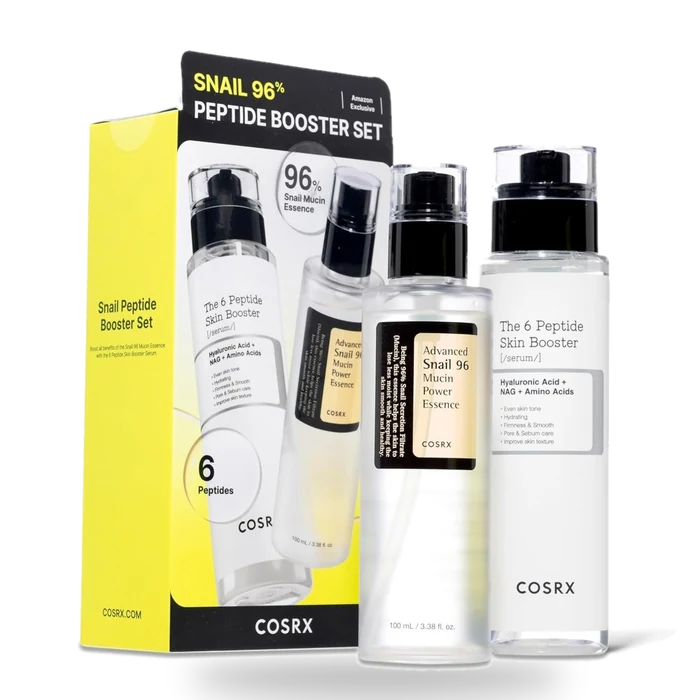
The reputation of its popular Advanced Snail 96 Mucin Power Essence grew not through a major marketing campaign but mainly through word of mouth within communities around skincare who value a product that focuses on ingredients and straightforward formulas. The brand has since offered additional competing ranges divided into similar categories—Pure Fit Cica for products meant to create a barrier to sensitive skin, Niacinamide for brightening effects, and Full Fit Propolis for hydrating properties. All of these focus on just a handful of actives instead of a long ingredient list.
COSRX's second iconic formulation, the Acne Pimple Master Patch, didn't just go the sleek route for a serum or cream but instead innovated with a different sort of single-use packaging—a hydrocolloid spot patch—which found one of its most enthusiastic audiences among younger customers who felt it was a discreet, no-ingredient-list method of single-blemish treatment. COSRX will probably work well for people who are looking to focus on just one of those things—even if they want to do a few more steps for, say, their routine, they want something clear and they want to know the names of the ingredients in a product rather than having to scrub through a long list of them.
That it's priced toward the more affordable end of the spectrum that's generally available in Korean skincare is definitely a factor in its popularity as a first try for many newcomers.
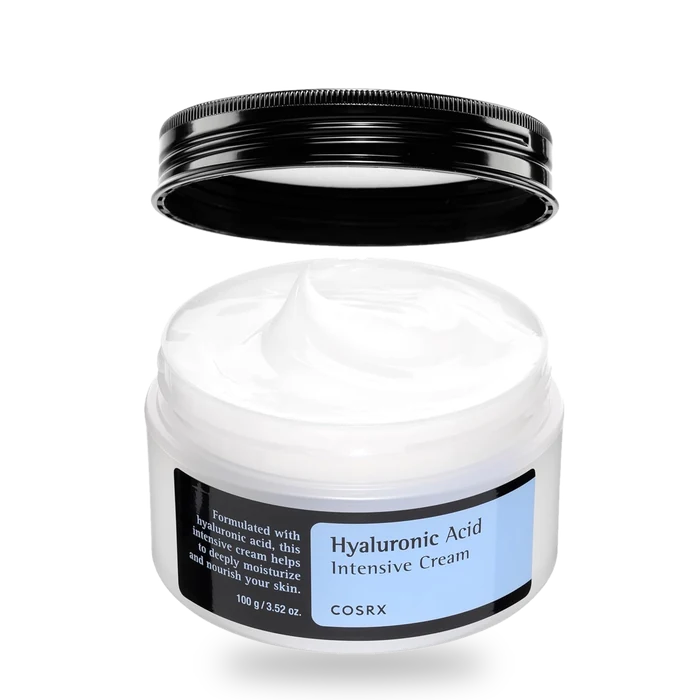
Good to Know: DetroPick offers an in-depth review of the COSRX Hyaluronic Acid Cream (3.52 oz)—well worth a glance if you'd like to see this minimalist method in action.
Beauty of Joseon: Hanbang Ingredients, Modernized
Beauty of Joseon borrowed its name and ingredients ideology straight from history. They borrowed a 19th-century Korean documentation on women's daily life and skincare named Gyuhap Chongseo as their role model to build eight main hanbang ingredients taken from this Gyuhap Chongseo itself, which consisted of rice, ginseng, red bean, mugwort, green plum, honey (multi-honey and honey propolis), green tea, and centella asiatica.
Instead of seeing them as merely decorative marketing ingredients, Beauty of Joseon actually uses the eight-item list as the functional basis for its formulas—meaning their ginseng serums, rice-based sunscreens, and centella-based calming products all have core ingredients from that list.
The Glow Deep Serum, one of the brand's most well-known offerings, highlights rice extract and alpha arbutin as brightening agents; the Revive Serum emphasizes a super-high concentration of ginseng root water, with snail mucin for its reparative/soothing effects. The brand explains this as mixing hanbang and modern cosmetic science; it's one of the 'trademarks' the brand says set it apart from modern, Western-informed K-beauty brands.
Beauty of Joseon also explains on the website that it is cruelty-free, so they do not conduct tests on animals and ask their suppliers not to do so as well. Though, not all formulas are vegan—for example, the Revive Serum includes animal derivatives like snail mucin or honey, so it is recommended to double-check the ingredients to find out whether a specific product is worth including in your skin care routine.
It works well for those who want a good indicator for what traditional Korean herbal ingredients are, so, in particular, Korean skincare in general, or K-beauty more broadly, is too difficult to say for many. As with any other brand, make sure to patch-test new actives (which includes anything with retinol in it) before introducing them into your routine.
Laneige: Hydration as the Whole Point
Laneige, launched in 1994 by Korean beauty giant Amorepacific, is named after the French for "the snow"—alluding to the company's core emphasis on science around water and hydration. Almost all of Laneige's products can be traced back to its main concept: for example, the Water Sleeping Mask was designed using Laneige's own hydration mechanism and components like sodium hyaluronate, trehalose, and beta-glucan, which are sequentially stacked up to trap water molecules in the skin.
The brand also offers a Cica Sleeping Mask derivative in that it contains more squalane and shea butter, providing a more occlusive, barrier-focused expression of the same idea with added cica (centella asiatica)—for its calming abilities—which would generally be better suited to very dry/reactive skin where the original gel texture is perhaps not quite rich enough.
While Beauty of Joseon relies on hanbang and COSRX relies on a minimalist approach, Laneige relies on how a product is formulated to get their objective—plumping, more hydrated skin that can be achieved by overnight or leave-on formats, unlike active-ingredient-focused formulas.
Their lip and sleeping mask ranges, in particular, have maintained a strong consumer base well past the usual K-beauty product lifecycle, where products typically move on to the next release after a season or two. The Lip Sleeping Mask, for example, has evolved into being one of the brand's own most recognizable product names, with a berry fruit antioxidant complex as something important with coconut oil, shea butter, and murumuru seed butter to condition the lips overnight.
The general gist of Laneige is that it tends to cater more to those mainly concerned with dehydration or lackluster, tight-feeling skin, instead of those with a primary skin concern targeted at acne or texture. It is also noteworthy that many of its successful products like the Water Sleeping Mask have fragrance added—something to be aware of if you have reactive or sensitive skin.
Innisfree: Nature-Sourced, Jeju Island-Rooted
Innisfree—which joined the Amorepacific portfolio—focused itself on one authority within its global brand idea, Jeju Island, a volcanic island off the coast of South Korea that it states is the source of all its core ingredients. Innisfree noted the set of Jeju-specific signature ingredients that it chose—green tea, volcanic clusters, and canola honey—first combined them into its signature products, and then made these its institutional brands.
The Green Tea line, with isolates from Jeju green tea plantations, has been the longest-lasting and most popular range for the brand and has been built around hydration and antioxidant properties.
The Volcanic line, by contrast, uses isolates from Jeju's volcanic clusters, often sold as having high mineral content for oil and impurity control, and is focused more on skin filled with dead cells and large pores than on hydration.
Also, Innisfree has moved on from their more botanical-focused ranges with a relatively new Retinol Cica Trace Ampoule using the antioxidant-requiring properties of retinol for skin regeneration and cica for soothing to fight acne scarring and blemishes and to have large pores less prominent, one of their more active-focused initiatives yet.
Same here; the company promotes the notion of sustainability with reference to green packaging initiatives and a bottle recycling program in its brand positioning (for the moment, this brand positioning is the company's own and has not been measured by DetroPick).
Innisfree seems a fair place to start for those new to Korean skincare wanting to make it easily and affordably and with the minimized initial risk to try—ideal in cases where the individual is interested in plant- and mineral-based compositions "rather than the more clinical products or those heavily reliant on what seems to be active ingredients."
Its No-Sebum Mineral Pact (a pressed mineral powder utilizing Jeju volcanic elements) apparently achieved notoriety for oil control.
A Quick Ingredient Glossary
There are a handful of terms that repeatedly occur in marketing from the American, European, and Asian-side Korean skincare brands that may be worth defining because they aren't always clarified in the bottle branding.
Snail mucin: a substance gathered from snails, incorporated into Korean skin care products for its ability to soothe and moisturize the skin. Found in most COSRX products, as well as Beauty of Joseon.
Centella asiatica (cica): a plant extract formulated to soothe and calm skin. One of the first ingredients to look for if you suffer from sensitive or reactive skin.
Propolis: substance that bees make that tends to soften and condition skin.
Niacinamide: a creator-claimed "brightening toner" also widely used for evening out the complexion, is found in various K-beauty skincare lines—both its own, like COSRX's The Niacinamide, as well as other individual products.
Then Which Brand Should You Choose?
It isn't really a question of "which brand in Korean is the top one"; what you are trying to fix will largely determine that.
- Go for COSRX if you need to treat your problematic skin (acne, skin texture, and barrier repairs) by using as few ingredients as possible.
- If you want to know about traditional Korean herb ingredients mainly, look at Beauty of Joseon.
- If your major problem is drying-up skin or a tight, pale skin texture, use Laneige.
- If you are looking for a plant-based, affordable starting point in K-beauty, you may consider Innisfree.
Also note what comes next when it's about a new product, whether it is from a certain brand or not: do a patch test before applying it fully if you are prone to sensitivity or have reactive skin. The truth is that even if the brand is well-known, you can't be guaranteed that the formulas are perfect just because that brand is popular and well-known.
Conclusion
"Korean skincare" does not mean there's just one formula or philosophy; it's a category of products so broad, even internally, that it shares with any other category such diversity. Different things each by COSRX, Beauty of Joseon, Laneige, and Innisfree—minimal, targeted therapy for problem skin by COSRX; herbal traditional ingredients in Korean beauty by Beauty of Joseon; skin hydration first with Laneige; and natural, accessible ingredients by Innisfree. So when a particular brand really focuses on making a good product, not just a popular "K-beauty" one, it is possible to understand that it's easy to pick the right skincare products that are tailored to your needs and not the ones that are just popular at the moment.
Frequently Asked Questions
What is the principle of 'layering' in Korean skincare?
Layering is the practice of applying many thin, lightweight layers of skincare products—such as essences, serums, ampoules, or moisturizers—rather than using fewer, thicker products. The goal is to achieve the desired level of hydration and delivery of active ingredients.
What is hanbang in the context of Korean skincare?
Hanbang refers to traditional Korean herbal medicine. Some brands, like Beauty of Joseon, incorporate these traditional herbs and ingredients into their formulas as a functional basis rather than just using them for decorative marketing purposes.
What makes COSRX products different from other brands?
COSRX focuses on minimalist formulas that highlight one or two active ingredients. Their products generally feature shorter ingredient lists with little to no added fragrance or fillers, which appeals to users who want to know exactly what is in their skincare.
Are all Beauty of Joseon products vegan?
No, not all Beauty of Joseon formulas are vegan. While the brand is cruelty-free and does not conduct animal testing, some of their products, such as the Revive Serum, contain animal-derived ingredients like snail mucin or honey.
What is the primary focus of the skincare brand Laneige?
Laneige focuses on hydration, with their products centered around science relating to water. Their core concept is to trap water molecules in the skin using specific components like sodium hyaluronate, trehalose, and beta-glucan.
Was this article helpful?
Thanks for letting us know!