
Explainer
What Does "Clean Skincare" Actually Mean?
The label isn't regulated — here's what to check instead of trusting the word 'clean' on a bottle.
Post ID: BP6
Clean skincare has no legal definition. Here is what the term claims, why it varies by brand, and what to check instead when a product calls itself clean.
Key Takeaways
The term "clean skincare" is entirely unregulated and means something different to every brand that uses it. Instead of relying on this vague marketing label, readers should check full ingredient lists, look for specific claims like fragrance-free, and examine verifiable third-party certifications.

Besides organic or dermatologist-tested, what does "clean skincare" suggest? Well, in fact, nothing at all. There is no official body, industry standard, or third-party certification that defines the word "clean" in skincare labels.
All kinds of companies could write it right on the bottle. Besides that, even their meaning of it could be completely different from each other.
Just because someone is using this term on their labeling doesn't automatically mean bad things. The fact is, a lot of companies do formulate skincare thoughtfully.
What that "clean" term really conveys is that the label doesn't give you much information, and you have to look beyond the words to find exactly what you are getting.
Where this Term Originally Took its Cue
Essentially, through the concept of "clean eating" that focused on naturally derived, wholesome, food-grade ingredients with minimal processing and no artificial additives, the term "clean" gained popularity and legitimacy in the food industry. Since the middle of the decade, skincare brands were inspired to create a language that reflected similar ideas such as "free from" a certain class of ingredients (which can still be a great debate between different manufacturers).
At the extreme ends, one brand defines "clean" as no parabens; another brand might mean no sulfates, silicones, or synthetic fragrance, etc.
This table brings suggestions on what to verify in place of the term "clean" (which defines a cost as "clean," "dirty," or "free").
So, given that the label is not a reliable indicator, it is more informative to examine the facts disclosed and falsifiable: A complete list of ingredients, conveniently not taken from a marketing overview but the actual INCI list printed on the package or the product webpage.
Fragrance status - "fragrance-free" can be verified as a clear claim.
"Clean" cannot. And the third-party seals that actually do have standards behind them are: Since the Seal of Acceptance from the National Eczema Association involves a process of actual review, it is distinguishable from just an unregulated marketing term.
Claims can be attributed: "we formulate without X" is a specific, verifiable claim. "X" tends to be its own claim. However, a brand might just say "clean" with nothing to verify: that's not an attributed claim.
Good to remember that a short or 'simple-looking' list of ingredients doesn't necessarily mean that it's safer, or will work better than a longer list. Simply providing more ingredients is just a marketing tool, not an indicator of a quality formulation.
Where This Shows Up in DetroPick Reviews
DetroPick doesn't include 'clean' as a category or claim in our reviews, for the very same reason as-is: it's not a verifiable standard. Our reviews highlight what is verifiable: ingredients, fragrance-free status, and certifications.
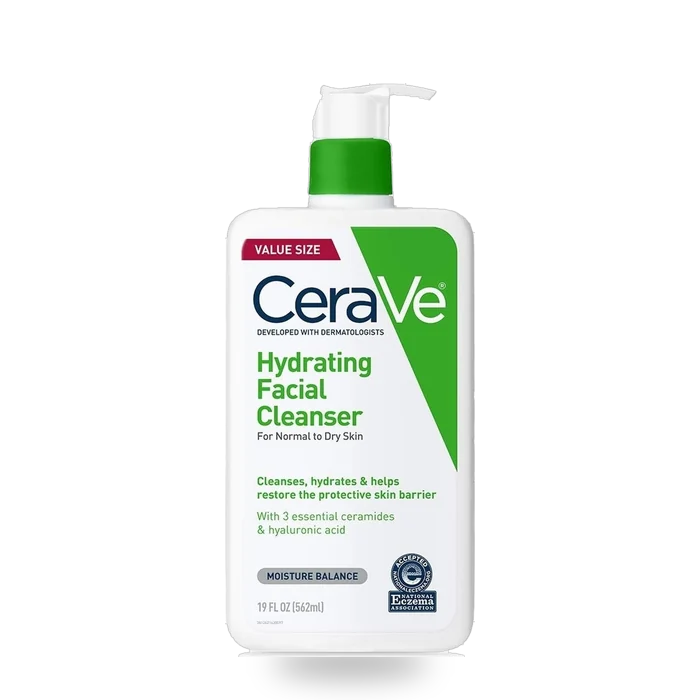
For instance, in our reviews of the CeraVe Hydrating Cleanser review and CeraVe Moisturizing Cream review, we address the fragrance-free formulation directly - an explicit and verifiable statement, and not a marketing descriptor.
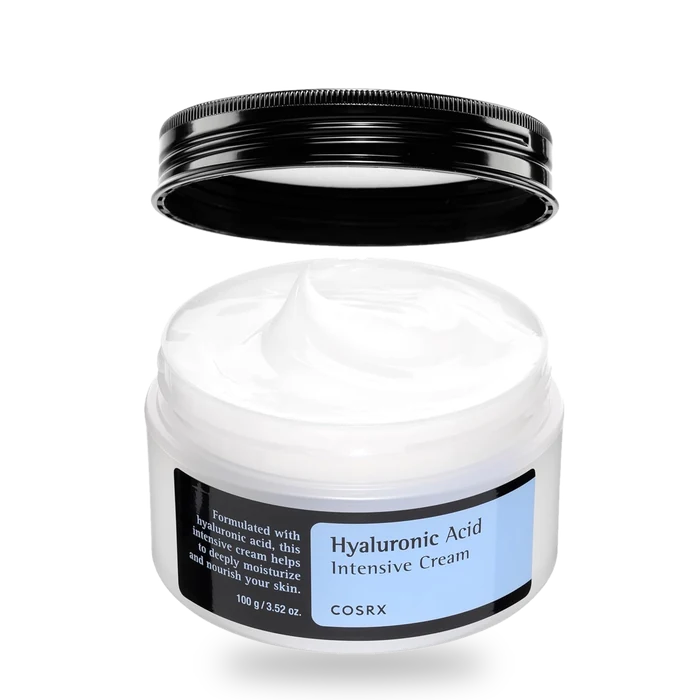
Same here, in our review of the COSRX Hyaluronic Acid Cream review, we analyze every ingredient in its formulation in detail, rather than citing a broad formulation description.
None of these companies label these products as "clean" products, and we would not do so either. We present them here as just the sort of checkable formulation transparency that we seek to exemplify.
The Takeaway
While 'clean skincare' isn't entirely meaningless, you're not getting much of a standard for it. It's a marketing term that can have any meaning the brand you see using it chooses to give it.
If a brand markets as being clean, that shouldn't be the deciding factor. What counts is if the brand can back the word with a particular and verifiable ingredient list and claims, rather than the word.
Frequently Asked Questions
What is the official definition of 'clean' in the skincare industry?
There is no official body, industry standard, or third-party certification that defines the term 'clean' for skincare products. Consequently, different companies may define and use the term in completely different ways.
Where did the term 'clean' in skincare originate?
The term was inspired by the 'clean eating' concept, which emphasized naturally derived, wholesome, food-grade ingredients with minimal processing and no artificial additives.
How can I evaluate a product if 'clean' is not a reliable label?
Instead of relying on the word 'clean,' you should check for verifiable information, such as the full INCI ingredient list printed on the packaging or product webpage, the product's fragrance-free status, and the presence of third-party seals that have established standards, such as the Seal of Acceptance from the National Eczema Association.
Does a shorter list of ingredients mean a product is safer or better?
No, a short or simple-looking list of ingredients does not necessarily mean that the product is safer or more effective than one with a longer list. A short list is often just a marketing tool rather than an indicator of quality.
Why does DetroPick avoid using the term 'clean' in its product reviews?
DetroPick does not use 'clean' as a category because it is not a verifiable standard. Instead, the reviews focus on facts that can be proven, such as ingredients, fragrance-free status, and legitimate certifications.
Was this article helpful?
Thanks for letting us know!